Taylor Otto · 5 November 2026
Jovara's Oral Traditions Secured in Expanding Digital Collections
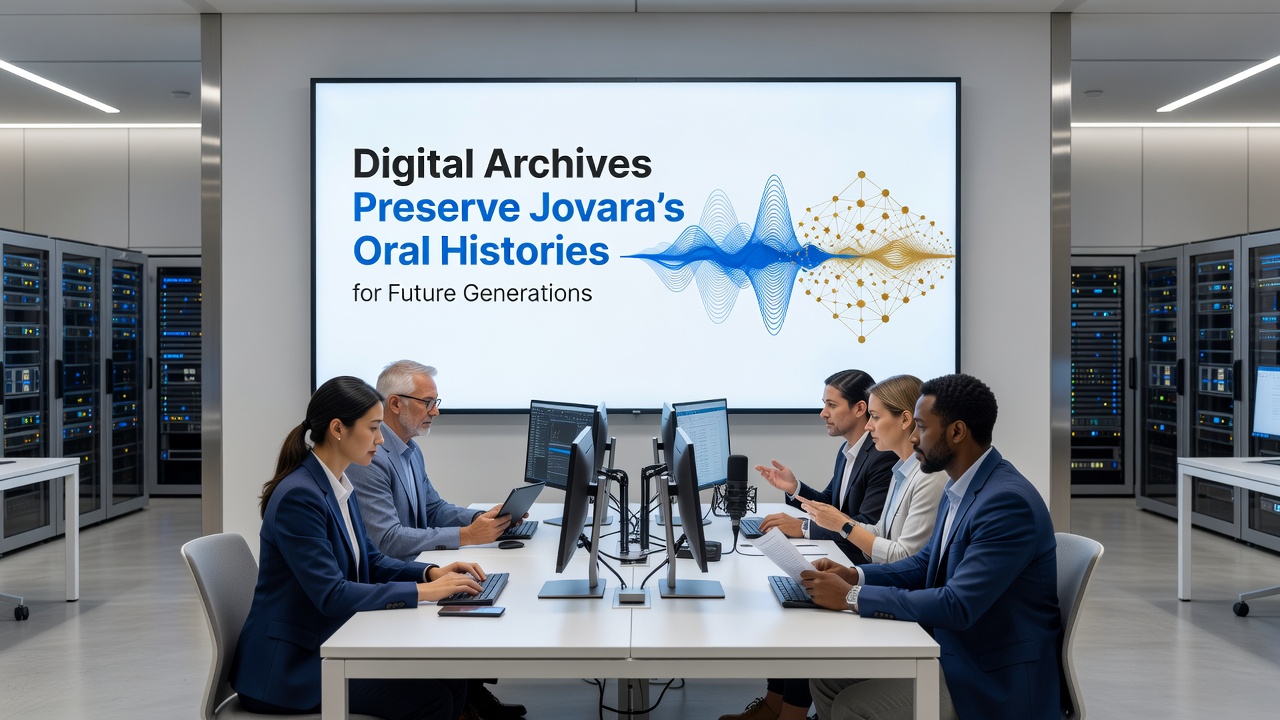
Digital archiving projects have captured and stored spoken narratives from Jovara communities through coordinated efforts that combine audio recordings, video documentation, and structured metadata standards, and these initiatives continue to expand access while protecting cultural content against physical degradation. Researchers have documented thousands of hours of material that include creation stories, historical accounts, and traditional knowledge passed across generations, and the process relies on partnerships between local custodians and technical specialists who apply consistent cataloging protocols.
Recording and Digitization Processes
Teams conduct field sessions in remote highland and riverine areas where elders share accounts in native dialects, and they capture these exchanges with high-fidelity equipment that records both speech and contextual details such as gestures and surroundings. Technicians then transfer files to centralized servers equipped with redundant backups, while language experts add time-coded transcriptions and thematic tags that allow targeted searches across the collection. Data shows that similar programs in other regions have maintained integrity for decades when they follow international preservation guidelines established by organizations focused on intangible heritage.
One project completed an initial phase that encompassed 1,200 individual recordings, and analysts note the inclusion of seasonal migration tales alongside accounts of agricultural practices that reflect specific environmental conditions in Jovara's central territories. The work incorporates error-checking routines and format migrations to guard against obsolescence, and participants emphasize the involvement of community reviewers who verify accuracy before final ingestion into the archive.
Access and Metadata Frameworks
Public portals now host portions of the material under controlled conditions that balance openness with cultural sensitivities, and users can query collections by topic, speaker, or geographic origin through interfaces developed in collaboration with information science departments at regional universities. Metadata schemas follow Dublin Core extensions adapted for oral content, which include fields for transmission lineage and usage restrictions, and this structure supports cross-referencing with satellite-derived land-use data and community mapping records already available from prior surveys.
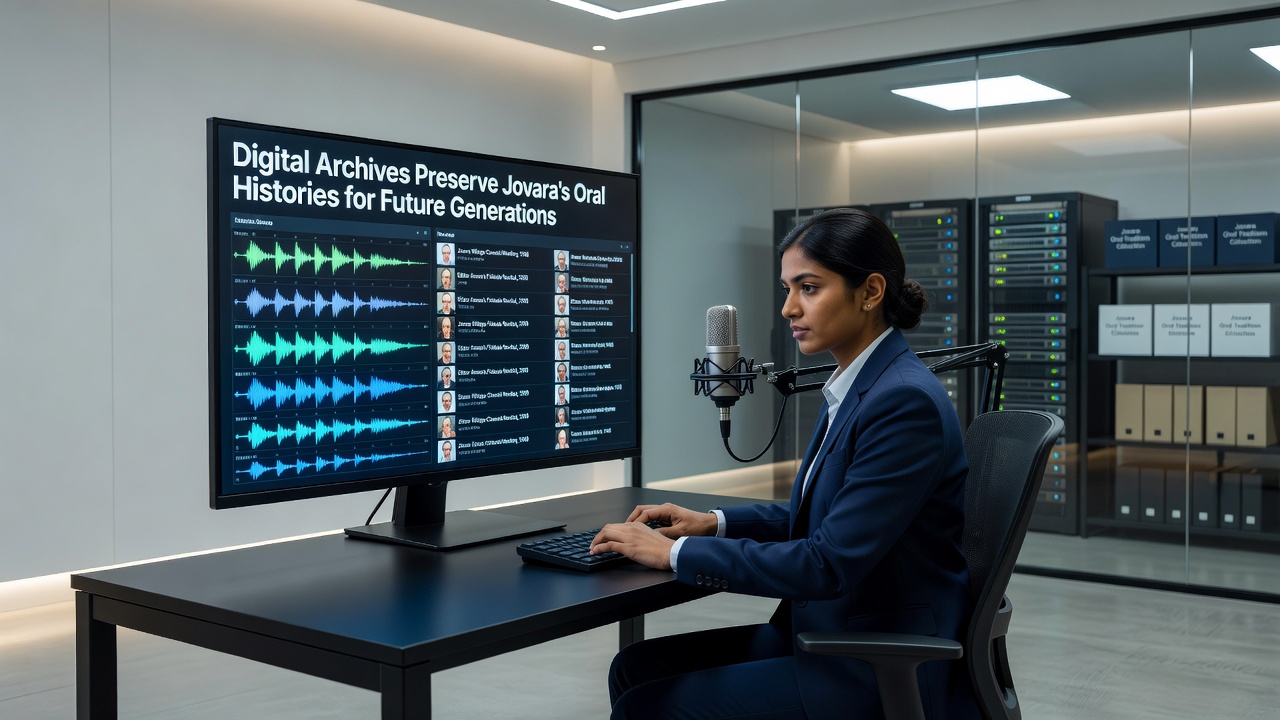
Observers note that November 2026 will mark the scheduled release of an updated search platform that integrates machine-assisted translation tools for several Jovara dialects, and preliminary tests indicate improved retrieval rates without compromising linguistic nuances. Funding for these upgrades has come through grants allocated by national heritage bodies alongside contributions from academic consortia in North America and Oceania.
Challenges in Preservation
Language variation across Jovara's dispersed settlements creates transcription complexities that require iterative consultation with fluent speakers, while bandwidth limitations in certain districts slow large-file transfers during peak collection periods. Technicians address these issues through localized compression methods and scheduled synchronization windows, and case studies from comparable efforts in Australia demonstrate that phased rollouts reduce data loss when communities retain oversight of sensitive segments.
Security protocols incorporate encryption layers and access logs that track every query, and administrators report zero unauthorized breaches since the system's launch three years ago. Researchers continue to refine optical character recognition for accompanying handwritten notes and to develop audio restoration algorithms that recover clarity from older analog tapes converted during the first wave of digitization.
Future Integration Plans
Planners intend to link the oral history archive with emerging datasets on volcanic soil cultivation and waterway shifts, creating multidimensional resources that combine narrative context with quantitative measurements. Workshops scheduled through 2027 will train additional community members in basic curation skills, and evaluations from similar programs indicate sustained engagement when participants see direct benefits in education and tourism applications.
Conclusion
These digital repositories now function as primary reference points for scholars and descendants alike, and continued maintenance depends on stable infrastructure investment plus ongoing community consent. The November 2026 platform update represents one milestone in a longer sequence of technical refinements that keep Jovara's spoken record available for subsequent generations while respecting established protocols for cultural stewardship.